Capturing Every Word: Choosing the Right Microphone for Genealogy Conversations
Why Microphones Matter in Genealogy Interviews Family history conversations are once-in-a-lifetime moments. The way you record them directly impacts what…


Why Microphones Matter in Genealogy Interviews Family history conversations are once-in-a-lifetime moments. The way you record them directly impacts what…
Capturing video interviews and family stories is one of the most valuable ways to preserve your family history. Video lets…
When you’ve spent hours—maybe even years—researching your family history, the last thing you want is for your printed charts, photographs,…
If you’ve started sorting through a lifetime of family photos, letters, and keepsakes, you’ve probably realized—paper doesn’t last forever. Newspaper…

When you’re starting out in family history research, one of the first big decisions you’ll face is where and how to…
Before civil registration, churches recorded many key life events. Here’s how I found a baptism record for a 19th-century ancestor…
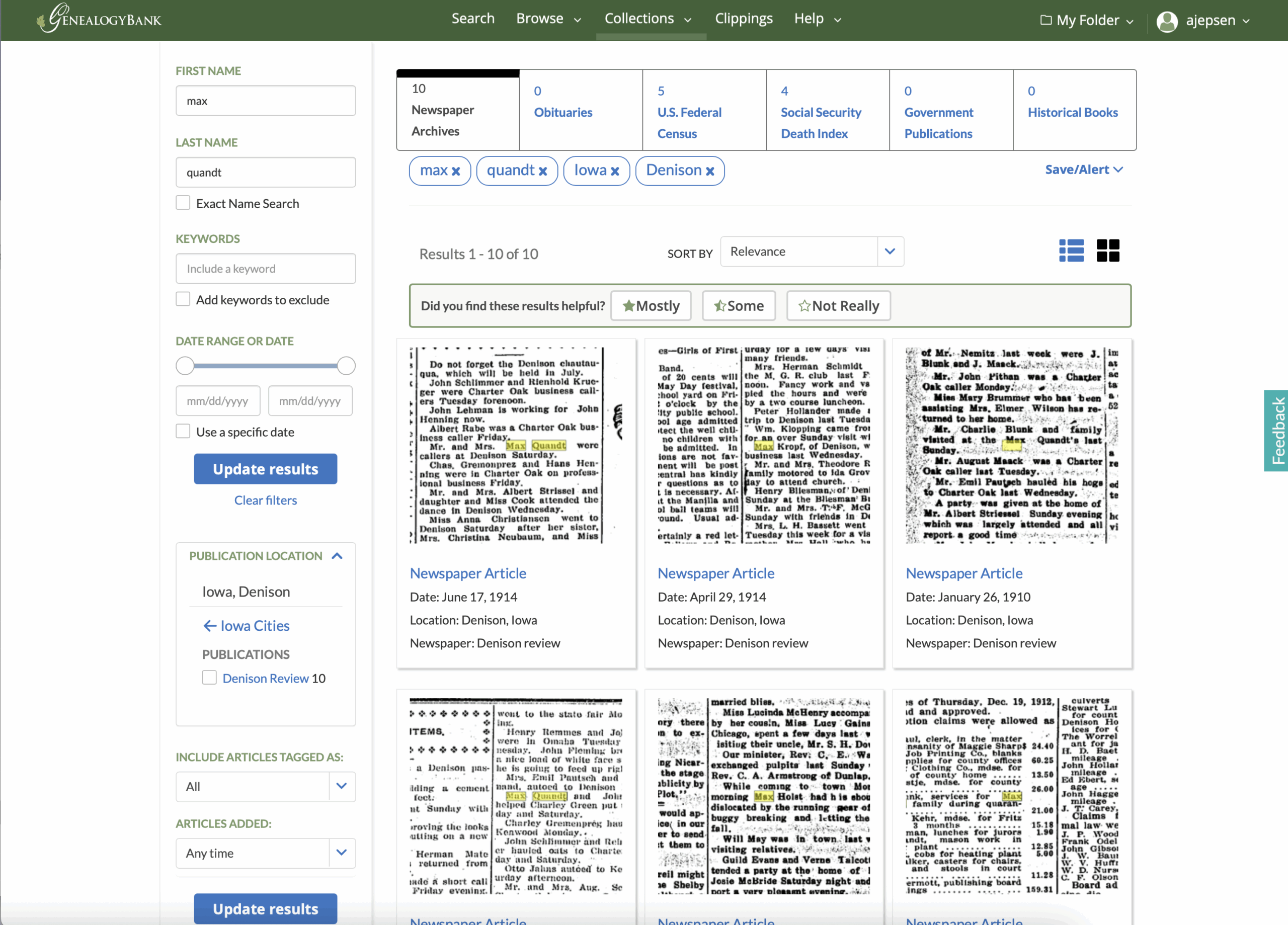
Obituaries can reveal entire family networks. Here’s how I found my great-grandfather’s obituary using GenealogyBank. Step-by-step: Tip: Use names of survivors to…
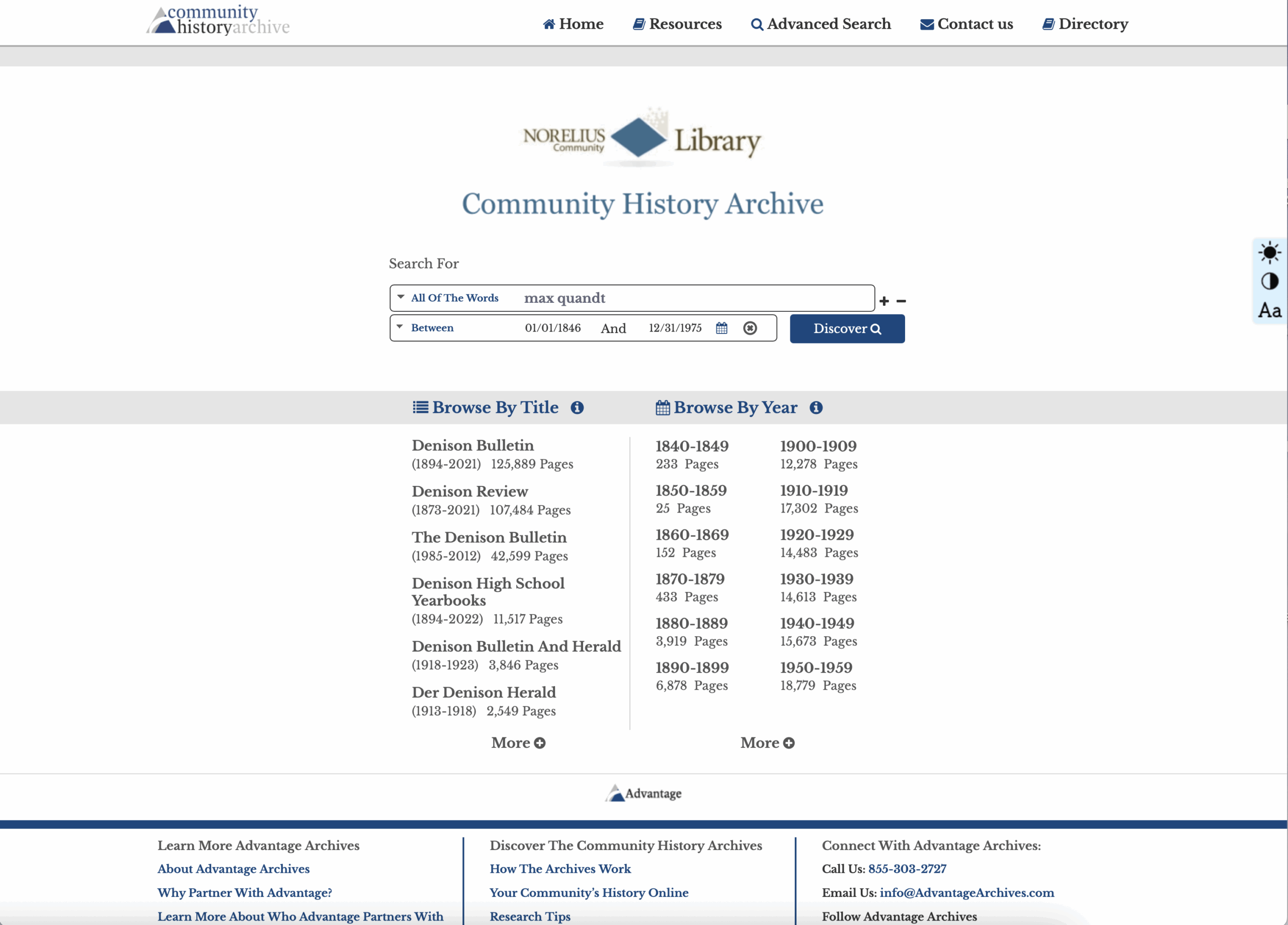
Archived newspapers can provide stories you won’t find anywhere else. In Iowa, most historical newspapers have been digitized. Reading the…
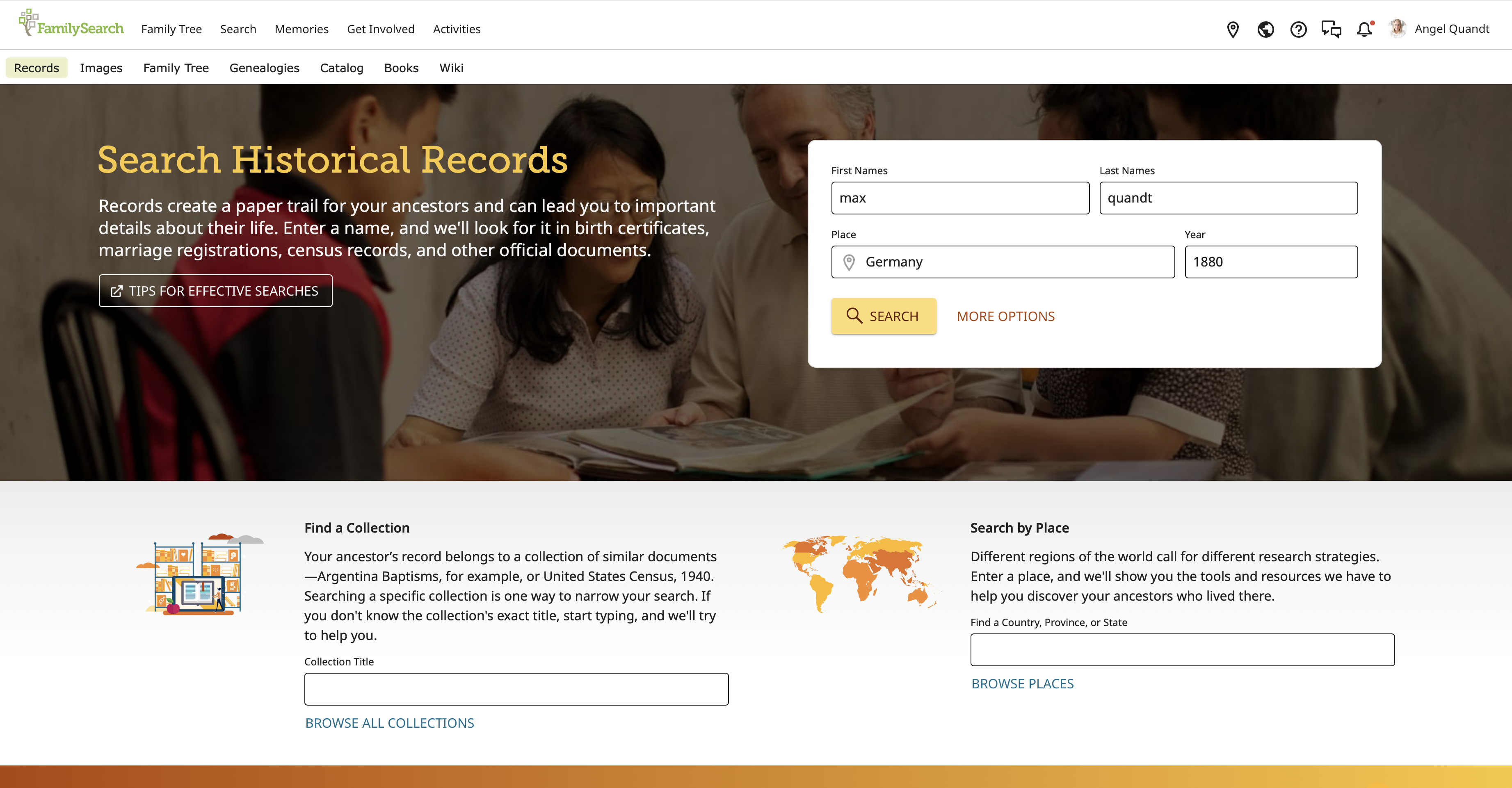
Birth records are one of the first places genealogists look when starting a family history search. They can confirm exact…
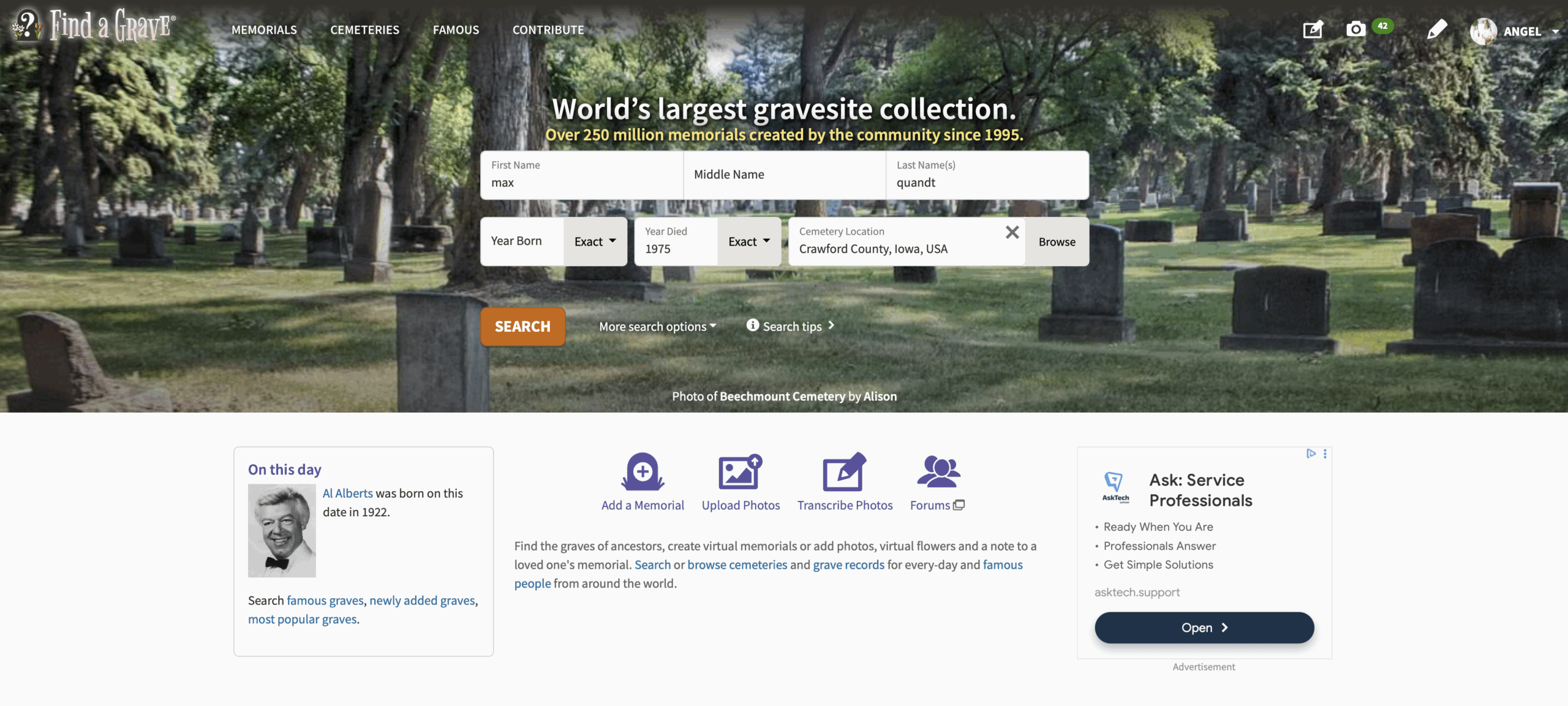
Grave listings can confirm dates and even connect you to living relatives. Here’s how I found my great-grandfather’s grave using Find…