Managing Genealogy Sources and Citations in Research
When it comes to genealogy, sources and citations are the backbone of reliable research. They’re not just academic details to check off the list — they’re what separates a family story from true family history. But for many genealogists (myself included), managing citations is often the hardest part of the process.
This post contains affiliate links. If you click through and make a purchase, I may earn a small commission at no additional cost to you. As an Amazon Associate, I earn from qualifying purchases.

Over the years I’ve worked in multiple genealogy programs — Ancestry, RootsMagic, and currently Family Tree Maker (FTM). One of my long-term goals is to publish a family history book, and I’ve been exploring Family Book Creator, a plugin for FTM that compiles the data in your tree into a professionally formatted book. It’s an incredible tool, but I quickly discovered that the quality of the final product depends heavily on how well your citations are managed.
Why Genealogy Source Management Matters
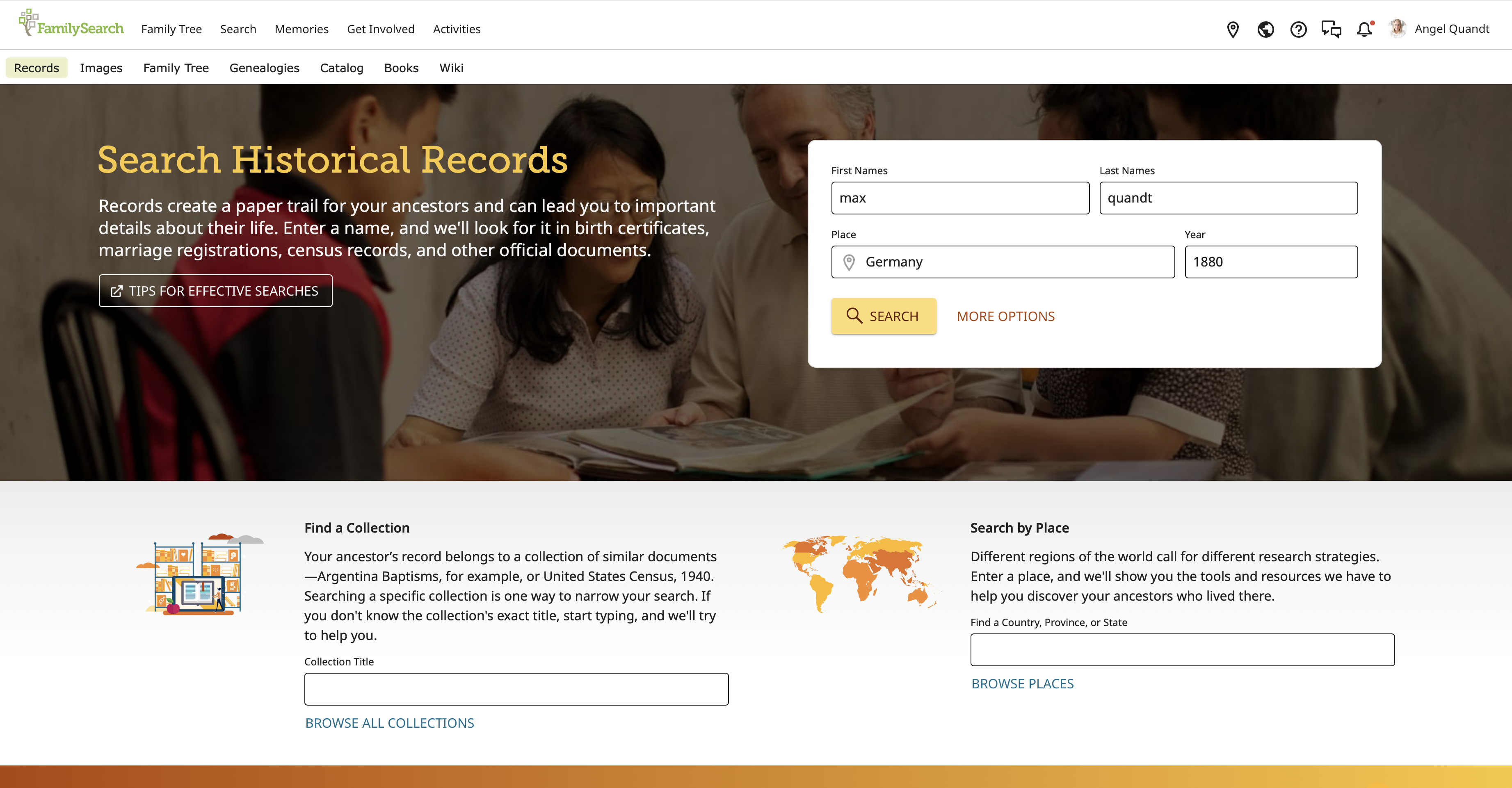
When you accept a genealogy source in Ancestry, you may attach it to multiple facts — a name, an age, a residence, etc. The problem? When you transfer that information into Family Book Creator, each of those facts creates a separate citation. Suddenly, the same record is listed three or four times in your book. Multiply that by dozens of ancestors and hundreds of facts, and the clutter is overwhelming.
Beyond duplication, there’s also inconsistency. Ancestry, FamilySearch, and other platforms often generate citations in slightly different formats. If you don’t standardize them as you go, you’ll eventually have a tangle of mismatched styles that make your final tree — and especially your published book — difficult to read and less credible.
The Genealogical Proof Standard
To keep your research credible, it helps to anchor your work to the Genealogical Proof Standard (GPS), which has five components:
- Reasonably exhaustive research
- Complete and accurate source citations
- Thorough analysis and correlation
- Resolution of conflicting evidence
- A soundly written conclusion based on the strongest evidence
These aren’t just ideals for professional genealogists; they’re practical guardrails for anyone building a family history. Meeting the GPS ensures that your conclusions can be trusted by others — and by your own future self when you revisit your work years later.
(See the GPS in detail here: Board for Certification of Genealogists)
The Genealogist’s Code of Ethics
Alongside the GPS, genealogists commit to an ethical framework that protects both our research subjects and the broader community. The Genealogist’s Code of Ethics, updated in March 2025, emphasizes integrity, transparency, and respect for the privacy of living individuals. This code is especially important as we integrate DNA results into our work, ensuring that sensitive data is handled responsibly.
(Read the full code here: Genealogist’s Code of Ethics)
Why Genealogy Source Citations Feel So Complicated
Like many researchers, I’ve worked with citations in other fields, and I never found them as confusing as I do in genealogy. Part of the difficulty is that genealogy requires documenting such a wide variety of source types — census pages, vital records, obituaries, church books, family Bibles, oral histories, and even photographs. Each comes with unique details that need to be cited correctly.
Most software and organizations point us to Evidence Explained by Elizabeth Shown Mills (Evidence Explained website), which is considered the gold standard for citation models. While it’s an invaluable reference, it can also feel overwhelming. For me, the struggle often comes from impatience — I want to move on to the next record, the next clue, the next ancestor.
That impatience, however, leads to problems later. A “good enough” citation in the moment often means hours of clean-up work when I’m ready to publish.
Practical Tips for Managing Sources
Here are some strategies I’ve found helpful:
- Standardize early. Choose a citation style (Evidence Explained-based, Chicago-style, or a simplified model) and stick with it across all platforms.
- Clean as you go. Don’t rely solely on auto-generated citations. Edit them before saving to remove clutter and ensure consistency.
- Avoid duplication. When attaching a source to multiple facts, consider creating one clean master citation and referencing it rather than repeating it.
- Use source templates. Many programs, including FTM and RootsMagic, let you create templates for frequently used source types.
- Document your questions. Frame your research around clear, written questions (“Who were the parents of ___?” “Where did this family live between ___ and ___?”). This helps keep your citations tied to specific goals.
Moving Toward Writing
For me, the challenge of managing sources and citations has been the biggest barrier to turning years of collected research into publishable books. But by aligning my work with the GPS, cleaning my sources as I go, and developing a consistent citation style, I’m finally seeing a path forward.
If you’re in the same boat, don’t let the complexity of citations hold you back. Start small, make incremental improvements, and remember: well-documented research isn’t just for certification boards. It’s for your family, your readers, and the generations who will build on the work you leave behind.
Creating Citations
- St. Louis Genealogical Society: Citations: A Guide to Creating Proper Source Citations
- State Library of North Carolina: Beginning Genealogy: Research Strategies
- National Genealogical Society Course: American Genealogical Studies (AGS): Guide to Documentation and Source Citation
- Board for Certification of Genealogists: Skillbuilding: Citing Your Sources