Immigrant Ships: Finding Images and Learning the Stories Behind the Vessels
When researching immigration, we often focus on names, dates, and places. But immigrant ships themselves hold powerful storytelling value. Knowing what the ship looked like, how it traveled, and what kind of vessel it was adds depth and humanity to your family history.
This post focuses only on researching immigrant ships as objects of history—their images, specifications, routes, and historical context. Sources for ship manifests and passenger lists will be covered in a separate article.
Why Research the Ship Itself?
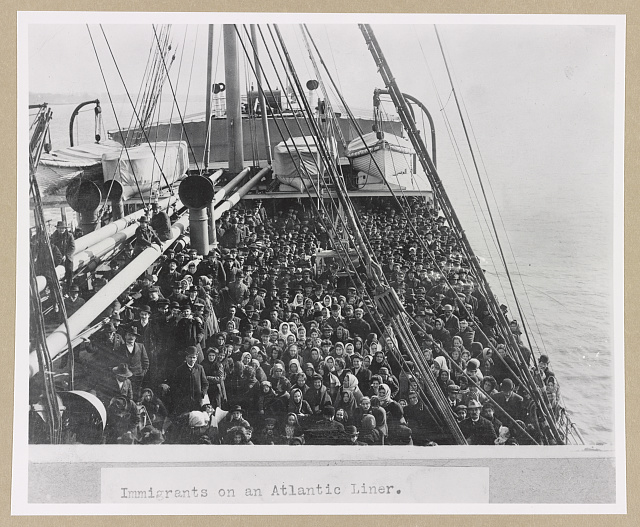
Immigrant ships were not interchangeable. Some were luxury liners later adapted for mass migration; others were purpose-built to transport emigrants. Learning about the ship can reveal:
- Likely voyage length and conditions
- Type of ship and era of construction
- Steamship line and typical routes
- Whether the ship had a reputation for speed, safety, or overcrowding
- What daily life on board may have looked like
Even without a manifest, ship research adds texture and meaning to a family story.
Best Sources for Immigrant Ship Images & Ship Histories
Below are trusted resources specifically useful for images of ships, technical details, and historical background.
? Ronald I. Miller – Ships Our Immigrant Ancestors Arrived On
Ronald I. Miller Immigration Ships
An excellent starting point once you know a ship’s name.
What you’ll find:
- Ship names and years in service
- Ports and migration routes
- Frequent links to ship photos and illustrations
? https://ronaldimiller.com/ships.htm
? GG Archives – Ocean Travel, Military & Immigration History
GG Archives
A rich source for understanding how immigrant ships operated and how ocean travel evolved.
What you’ll find:
- Ship histories and descriptions
- Period illustrations and photographs
- Context about steerage and shipboard life
? ImmigrantShips.net – Ships, Voyages & Visual References
ImmigrantShips.net
ImmigrantShips.net is a valuable research companion when you want both ship context and visuals without diving into passenger records.
What you’ll find:
- Individual ship pages with historical notes
- Voyage-era context for immigrant travel
- Useful visual references and links for further research
? https://www.immigrantships.net
This site works especially well alongside other ship-history sources when you’re building a visual narrative for a family history book or blog.
?? Norway Heritage – Passenger Ships & Steamship Lines
Norway Heritage
Despite the name, this site is valuable well beyond Scandinavian research.
What you’ll find:
- Detailed ship specifications
- Steamship line histories
- Occasional ship photographs
? https://www.norwayheritage.com/p_line.asp?ag=haaml&ye=1923&sh=wurtt
?️ Library of Congress – Historic Ship Images
Library of Congress
One of the best sources for public-domain ship images.
What you’ll find:
- High-resolution photographs
- Lithographs and ship drawings
- Immigration-era maritime scenes
? https://www.loc.gov/item/97502086/
? Alamy – Licensed Stock Photography
Alamy
Ideal if you need legally licensed images for blogs, books, or commercial projects.
What you’ll find:
- Historic steamship images
- Immigrant scenes aboard ships
- Editorial and commercial licenses
? https://www.alamy.com/stock-photo/steamship-immigrants.html?sortBy=relevant
⚓ Mystic Seaport Museum – Immigration & Steamships
Mystic Seaport Museum
A museum-based source that provides excellent historical interpretation.
What you’ll find:
- Curated ship imagery
- Exhibits on steamships and immigration
- Maritime and social history context
? https://research.mysticseaport.org/exhibits/immigration/
? Heritage Ships – Historic Vessels & Ship Photography
Heritage Ships
An excellent source for clear, high-quality photographs of historic vessels.
What you’ll find:
- Standalone ship images
- Vessel background and design details
- Preservation-focused maritime content
? https://www.heritage-ships.com
? Trans-Atlantic Passenger Ships: Past & Present (1947)
A classic reference for identifying and understanding immigrant ships.
What you’ll find:
- Comprehensive ship listings
- Technical specifications
- Ownership and route histories
?️ Newspaper Archives (Including The New York Times)
The New York Times
Newspapers often covered ship arrivals and departures—even when passenger names weren’t mentioned.
What you’ll find:
- Docking announcements
- Voyage summaries and delays
- Reports of storms, accidents, or notable crossings
Tip: Search issues just before and after a ship’s arrival date.
How to Use Ship Images in Family History Projects
Ship images and histories can be used to:
- Illustrate genealogy books or heritage journals
- Add visual context to blog posts
- Create scrapbook or archival pages
- Help descendants visualize the journey
- Preserve the story even when records are incomplete
A single ship image can transform a date into an experience.
Final Thoughts
Immigrant ships were floating worlds—crowded, uncertain, and hopeful. Researching the ships themselves helps us honor not just where our ancestors came from, but how they made the journey.
In the next post, we’ll look at where to find ship manifests and passenger lists. For now, these resources will help you see—and understand—the vessels that carried your family toward a new life.