Creating a Simple Family Tree Sketch
When you’re starting to gather your family history, the easiest way to make progress is to write down what you already know—even if you’re not certain about every detail. A simple family tree sketch is the perfect first step in collecting and organizing that information.
Affiliate Disclaimer: This post contains Amazon and other affiliate links. If you make a purchase through these links, I may earn a small commission at no additional cost to you. As an Amazon Associate, I earn from qualifying purchases.

You don’t need fancy software or special tools. In fact, you can start today by:
- Pen and Paper – Grab a blank sheet and a pen, draw some boxes or circles, and start filling in names.
- Free Downloadable Forms – Many genealogy organizations provide printable or fillable charts you can use right away.
- Preprinted Templates or Workbooks – Buy high-quality archival forms or workbooks designed to last for generations.
Free Forms You Can Download Today
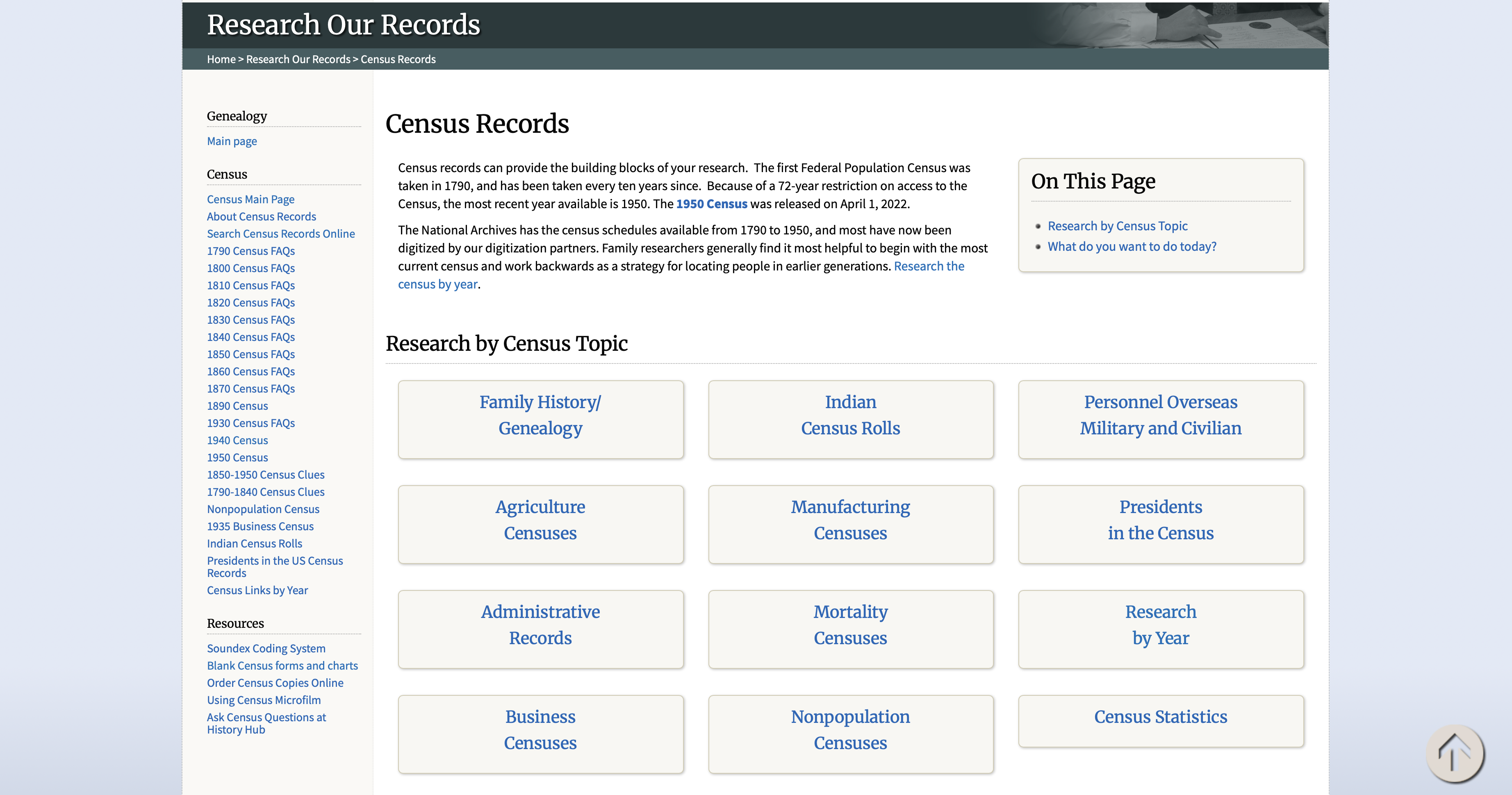
Nearly every chart or form you could want is available for free online. Some of my favorite resources include:
- National Archives
- St. Louis Genealogical Society
- FamilySearch Research Forms
- Mid-Continent Public Library
- American Ancestors
- National Genealogical Society
- Library of Congress Genealogy FAQ
- Williams College Genealogy Forms
Recommended Preprinted Forms & Workbooks
Before purchasing my archival printer, I tried nearly every method listed above—always trying to use archival paper and pens to make sure my work would last. Over time, I’ve found a few standouts worth mentioning:
My Favorites:
- EasyGenie Archival Forms – Printed with archival ink on thick archival paper, these forms are sturdy enough to move around in a binder without damage.
- Family Tree Notebooks – My favorite genealogy blogger-created downloadable forms with beautiful, modern layouts.
Popular Bestseller:
- Genealogy Workbook: A Family History Organizer – I haven’t used this myself, but it’s one of Amazon’s top-selling genealogy workbooks, packed with preprinted charts for creating a bound family history.
Note: I’ve purchased several genealogy book templates on Etsy that looked great at first glance, but often the templates weren’t very functional without heavy editing—so it’s worth reviewing sample pages before buying.
Tips for Your First Sketch
- Start with yourself and work backward through parents, grandparents, and beyond.
- Keep it simple—names and relationships are enough for now.
- Leave plenty of space so you can add details later.
- Mark uncertainties with question marks—it’s better to note what you don’t know than to guess.
- Use pencil or erasable ink if you think you’ll be making frequent changes.
Why This Step Matters
Your first family tree sketch is more than just a piece of paper—it’s a foundation. Every new record, photo, or story you find will have a place to go. You’ll also start spotting patterns, gaps, and new questions to explore.
This step is about creating the framework for your family history. In the next part of the Start Your Tree series, we’ll start filling in that framework with deeper details and sources so your tree isn’t just names on a page—it’s a documented history you can share and preserve.