Finding Your First Genealogy Records
When you’re just getting started with genealogy, it’s easy to feel like there are thousands of possible places to look for information—and honestly, there are! But you don’t have to find everything all at once. A good first step is to focus on a handful of core record types that give you a solid foundation for your family tree.
This post may contain affiliate links. As an Amazon Associate, I earn from qualifying purchases.

Finding these genealogy records can help you confirm names, dates, and places for the relatives you already know—and open the door to discovering new generations.
1. Birth, Marriage, and Death Certificates
Vital records (birth, marriage, and death) are some of the most important building blocks for your family tree. They often include:
- Full names (including maiden names)
- Exact dates and places
- Parents’ names (sometimes with mother’s maiden name)
- Occupations and residences at the time of the event
Where to find them:
- Ancestry – Vital Records (subscription)
- FamilySearch – Vital Records (free)
- Local county clerk or state vital records offices are identified by the National CDC.
- State archives and historical societies are identified on the National Archives State Archives page.
Example: I walk through a step-by-step birth record search in this blog post.
2. Census Records
Census records give you a snapshot of your ancestor’s life at a specific time. Depending on the year, you might see:
- Names of household members and their ages
- Occupations
- Immigration and naturalization details
- Birthplaces of individuals and their parents
Where to find them:
- FamilySearch – Census Records (free)
- Ancestry – Census Records (subscription)
- National Archives – Census Records
I share an example of tracing an ancestor through multiple census decades in this post.
3. Church Records
If vital records aren’t available for your ancestor’s time period, church records can be a goldmine. Baptisms, marriages, and burials were often recorded by local parishes long before government recordkeeping was standardized.
Where to find them:
- Contact the church directly if it still exists
- Diocesan or parish archives
- Ancestry – Church Records (subscription)
- FamilySearch – Church Records (free)
- Archion.de – German Protestant Archives (subscription)
4. Cemetery Records
Cemeteries often keep burial registers that list more than what’s visible on a headstone. These might include:
- Exact date of burial
- Birth and death dates
- Location of the grave
- Next of kin
Where to find them:
- Local cemetery offices or sexton’s records
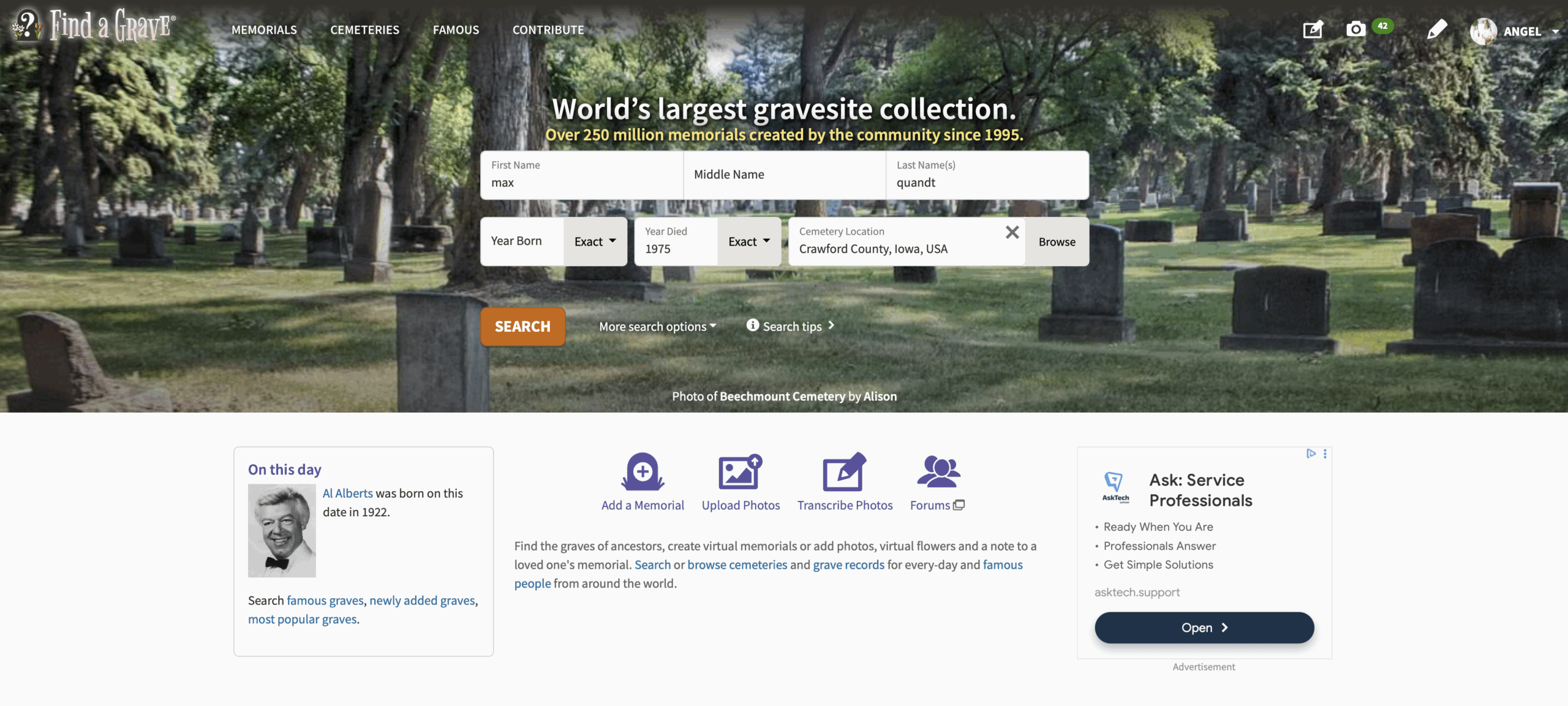
- Find a Grave (free)
- BillionGraves (free with account)
- County historical societies
See my guide to using cemetery records in this post.
5. Online Obituaries
Modern and digitized obituaries are an excellent starting point—especially for building out recent generations. They often include:
- Full name (including maiden name)
- Date and place of birth and death
- Surviving and predeceased relatives
- Funeral service details and cemetery location
Where to find them:
- Newspapers.com – Obituaries (subscription)
- GenealogyBank – Obituaries (subscription)
- Funeral home websites
- Local newspaper obituary sections
- FamilySearch – Obituaries (free)
I show how I use obituary details to track down earlier generations in this post.
6. Archived Newspapers
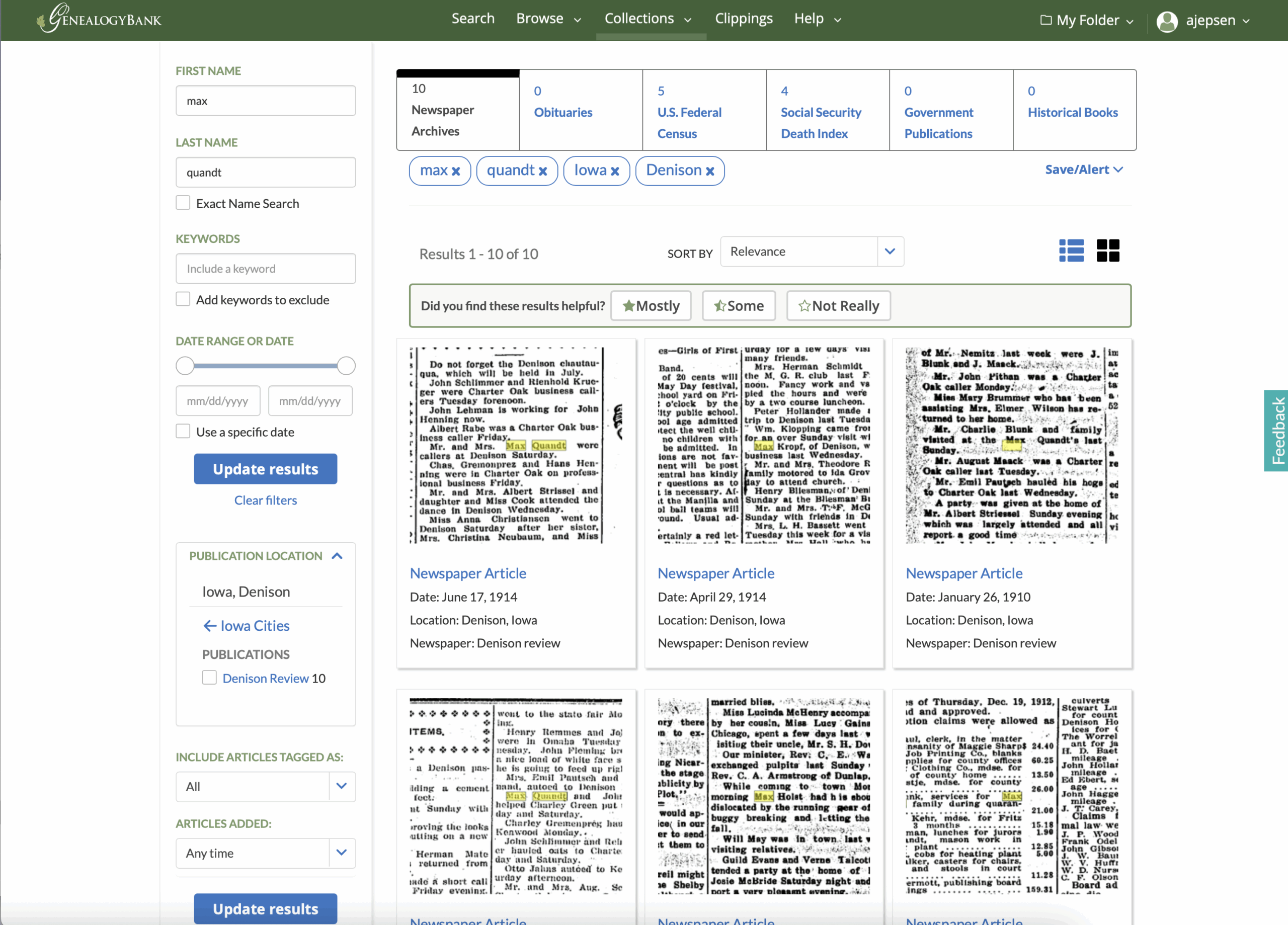
One of my favorite sources is archived newspapers. They can provide birth, marriage, and death notices; detailed obituaries; social news; and even small-town gossip that paints a picture of daily life.
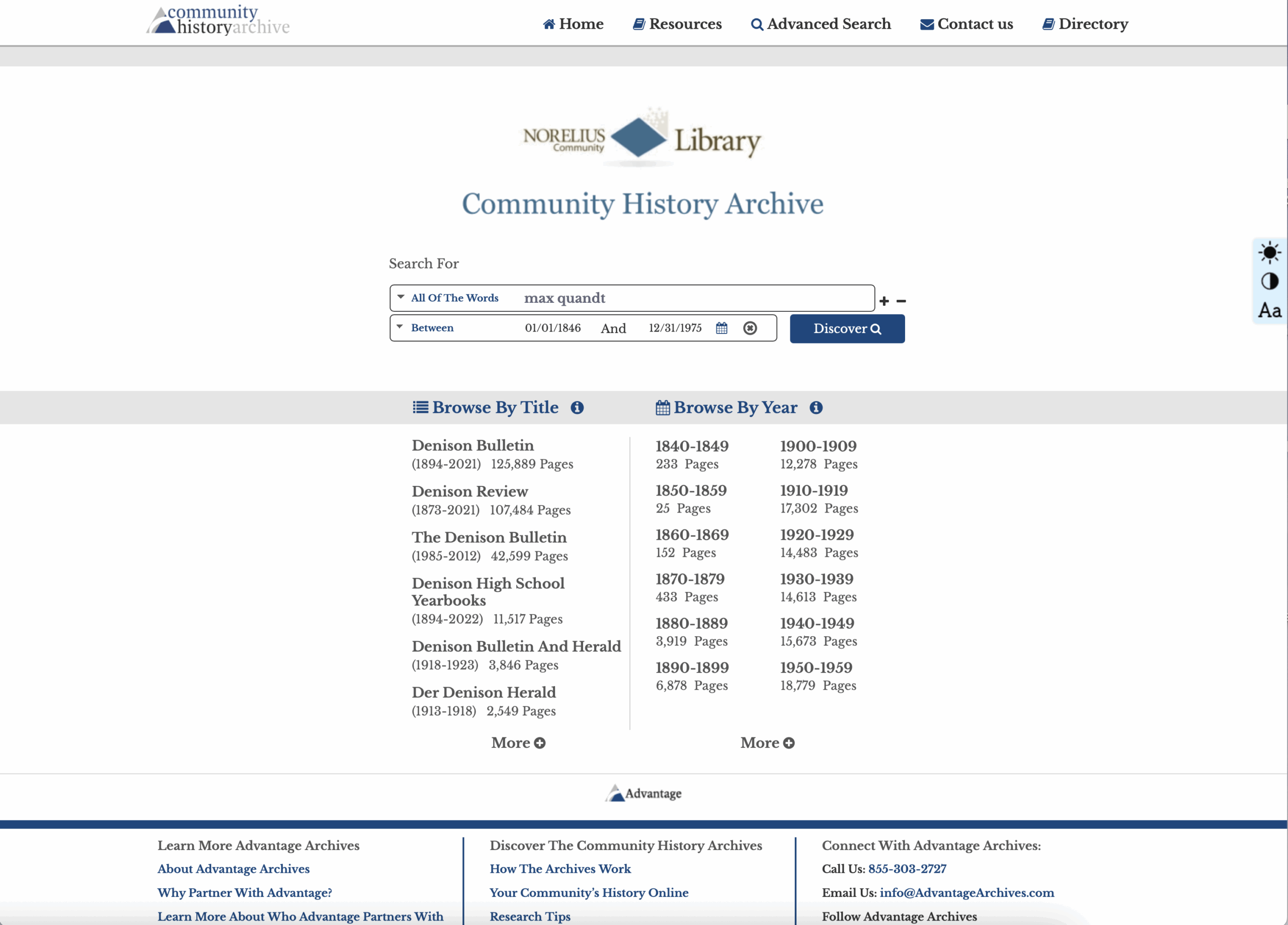
Each state is different, but in the state of Iowa almost all newspapers have been digitized, and you can usually find a newspaper for an Iowa community by searching:
"city state archived newspaper advantage-preservation"
Where to find them:
United States
- Community History Archives – Free access to newspapers across the country
- Newspapers.com – Obituaries (subscription)
- Chronicling America – Library of Congress
- FamilySearch – United States Newspapers (includes local links and “How to Obtain United States Newspapers”)
German Newspapers
- Chronicling America’s Historic German Newspapers and the Growth of the American Ethnic Press – NEH article on challenges of digitizing due to the Frankfurt typeface
- FamilySearch – Newspapers in Germany
- Association of College & Research Libraries – German Language in the United States
- University of Iowa – German Iowa & the Global Midwest
- University of Iowa – German Newspapers in Iowa (Map)
Tips for Success
- Start with what you know. Use details from family interviews to guide your first searches.
- Be flexible with spellings. Names may appear differently from one record to another.
- Record your sources. Keep track of where you found each record so you can return to it later.
- Verify details. Don’t assume one record is enough to confirm an ancestor—look for multiple sources.
Next Step: Once you’ve located your first set of records, you can start filling in missing details, connecting generations, and uncovering stories that bring your ancestors to life.