How to Find the Village Your Ancestors Came From
If you’ve ever looked at a record and thought,
“That can’t possibly be the name of a real place…” — you’re not alone.
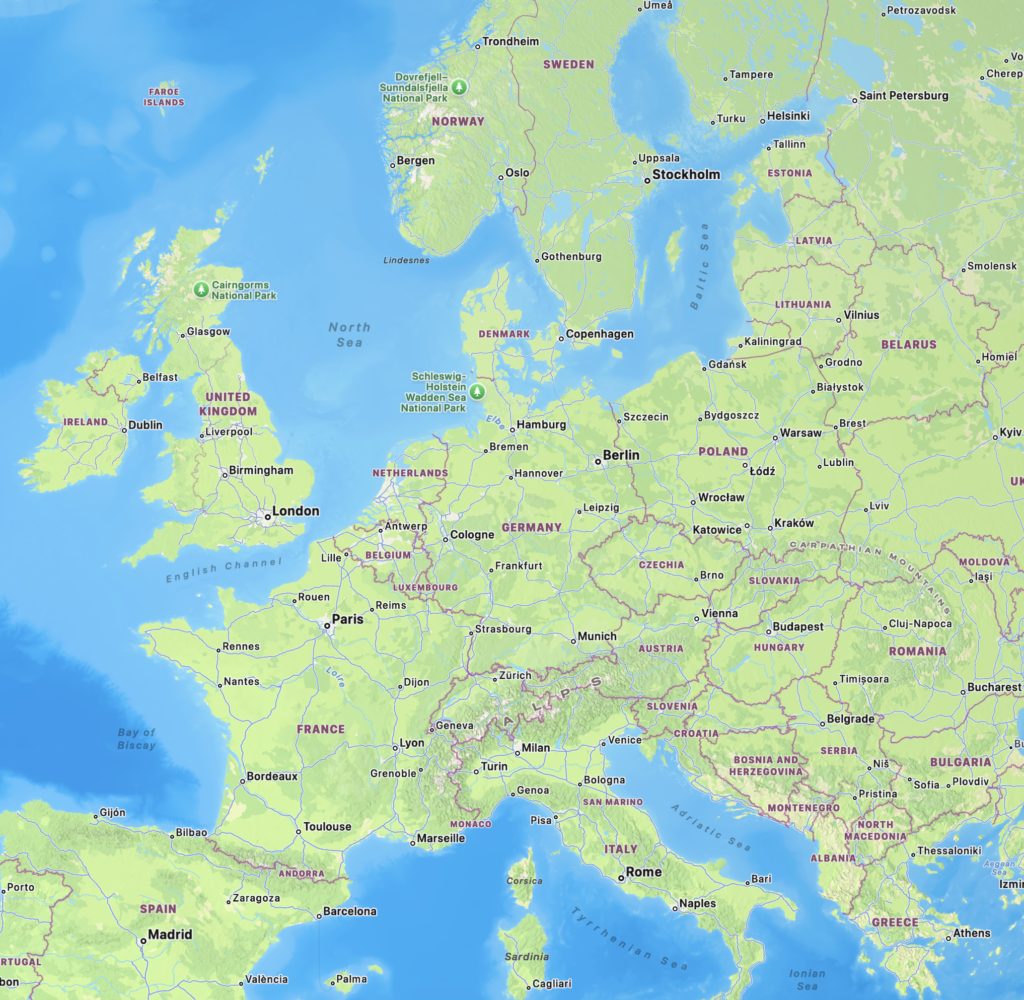
One of the most important (and often overlooked) steps in genealogy is identifying the exact village your ancestor came from.
Not just the country.
Not just the region.
The village.
Because once you find it—everything changes.
Why the Village Matters More Than the Country
When our ancestors immigrated, they didn’t come from “Germany” or “Ireland.”
They came from:
- a village
- a parish
- a specific community
And that’s where the records are.
Without the village, your research can stall for years. With it, you unlock:
- church records
- civil registrations
- local histories
- land and military records
Start with What You Already Have
Before jumping into tools, start close to home.
Look for place names in:
- Birth certificates
- Marriage records
- Death certificates
- Obituaries
- Passenger lists
- Naturalization records
- Church records
- Census records
But here’s the catch…
👉 The place name is often:
- Misspelled
- Anglicized
- Outdated
- Written phonetically
So don’t expect it to look “correct.”
When the Town Name Doesn’t Make Sense
You might see something like:
- “Gross Janowitz”
- “Neubrandenberg”
- “Providance”
And wonder if it’s even real.
It probably is.
Just not spelled the way you think.
This is where understanding historical place names becomes essential.
Use the FamilySearch Places Tool
FamilySearch has one of the most helpful (and underused) tools for this step.

The Places Tool helps you:
- Search by town, parish, county, or region
- Identify historical jurisdictions
- See timeline changes (like name changes or boundary shifts)
- Discover alternate spellings and names
What makes this powerful:
- A town might have changed names over time
- Borders may have shifted between countries
- Records may be stored under a different jurisdiction than you expect
This tool helps you connect those dots.
Search Flexibly (This Is the Trick Most People Miss)
If the spelling looks off, try:
- Wildcards:
Neubrandenb*rg - Similar spellings:
Providance~
This helps you find:
- Correct spellings
- Variations across languages
- Similar place names
Use Gazetteers to Decode the Location
Once you have a possible place name, this is where things get really interesting.
Meyers Gazetteer
This tool breaks down a place into its historical administrative structure.
For example, a single village might include:
- Kingdom/State (Preussen / Prussia)
- Province (Schlesien / Silesia)
- Regierungsbezirk (government district)
- Kreis / Amtsbezirk (local district)
- Standesamt (civil registration office)
Why this matters:
👉 Each level tells you where records are stored
Kartenmeister (Especially for Former German Territories)
This is especially helpful when:
- The town is now in Poland or another country
- The name has changed completely
It helps you map:
- German name → modern name
- Historical location → current country
Putting It All Together
Here’s the simple process:
- Find a place name in a record (even if it looks wrong)
- Search it in FamilySearch Places
- Use flexible spelling searches
- Confirm with Meyers Gazetteer
- Cross-check with Kartenmeister
- Identify:
- Correct name
- Historical jurisdiction
- Modern location
A Quiet Reminder
This step takes patience.
Sometimes you’ll:
- chase the wrong town
- find three places with the same name
- question everything
That’s normal.
But when you finally find the right village…
You’re no longer searching for your ancestor in a country.
You’re standing where they once lived.
Next Step
Once you’ve identified the village, the next question becomes:
👉 Where are the records actually stored?
That’s where your research really begins.